


Written by Christie
Clarksville, TN – Kampai! This “cheers” expression in Japanese is meant for the “Drink of the Gods” or nihonshu or sake as it is more commonly known. Made from rice, water, an enzyme known as koji-kin, and yeast, sake is an anomaly because it is classified and served as wine but brewed similarly to beer. It has gained its popularity outside Japan because it is a natural beverage, sulfide-free, gluten-free, can be served either warm or cold, and has a more subtle flavor due to its 400 flavor components.
Created in winter after the rice is harvested in fall, the rice takes center stage when it comes to the classification of sake. A specialty rice is grown for the sole purpose of making sake. This rice is then put through the milling process known as polishing which shaves off the rice layers to create a desired aroma and flavor. A higher class of sake allows for a finer polishing but without the need to add alcohol to the finished product.
Sake is Classified into 6 Types
Futsu/Futsushu Everyday drinking variety typically found at a Japanese restaurant, mainly served hot with minimal milling of the rice. It is likely the hot sake you’ve had at a Japanese restaurant.
Honjozo 70% of the rice grain remains after milling and it generally has alcohol added to the brewing process. Known for its fragrance.
Junmai Milled at 70% of the rice grain but without alcohol added in the process. Known for its full-body and earthy flavor.
Ginjo and Junmai Ginjo Rice is milled to 60% the size of the rice grain. Ginjo will have alcohol added with a fruity, complex flavor while Jumai Ginjo will not and stands out for a fruity more balanced taste.
Daginjo and Junmai Daginjo Intensive milling occurs with 50% of the rice grain’s size remaining. Elegant in flavor with a price to match.
Nigori Made from unrefined rice that has not been fermented. The wine has cloudy color, and a creamy, soft texture with a hint of coconut flavor.
Sake is an extremely versatile beverage, as it can be drunk alone or substituted for spirits such as gin or vodka in a cocktail with the unique flavor it brings. There are over 20 sake breweries in the United States; some are branches of Japanese-based companies, and others are American originations. All are relatively new, having sprung up over the past 20 years.
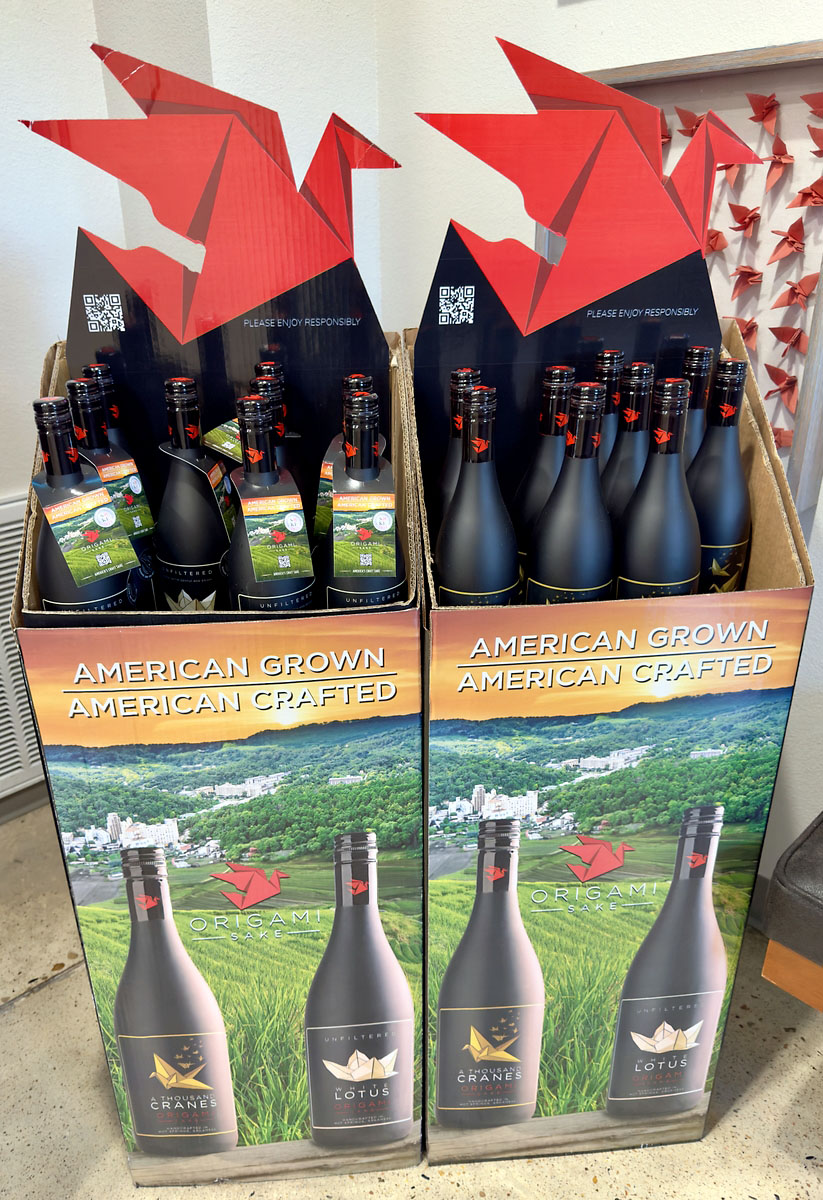
While on vacation in Arkansas, I stopped by a brewery in Hot Springs called Origami. I had been familiar with breweries in California, as rice is typically grown there, but did not realize that Arkansas is the biggest producer of rice in the US, primarily in the Northwest region. This is where Origami purchases rice exclusively from Isbell Farms for their production. Besides the quality of rice, the water source is another important component. Origami is based in the Ouachita Mountains, known for its mineral water. Besides alcoholic sake, the company also produces Zero, a non-alcoholic version.
In Nashville, you can find Proper Sake Company and enjoy its offerings at its cocktail bar called Rice Vice in East Nashville. This company was started by chef Byron Stithem and he makes his sake in the city. He uses an old-school method of utilizing bacteria in the air to ferment the rice ,called the Yamahai method.
Although pairing sake with a classic Asian dish is my favorite method of enjoying the beverage , you can elevate your sake experience with these 3 easy Sake cocktails:
Sake’Politan (courtesy of insanelygoodrecipes.com)
Ingredients:
- 2 1/4 oz sake
- 3/4 oz Cointreau
- 3/4 oz Cranberry Juice
- 1/4 oz Lime Juice
- Dash of Orange Bitters (optional)
Directions:
Shake all ingredients with ice. Strain and serve in chilled coupe glass. Serve with orange peel garnish if preferred.
Sake Bloody Mary (courtesy of insanelygoodrecipes.com)
Ingredients:
- 2 oz Sake
- 3 oz Tomato Juice
- 1 dash Tabasco Sauce
- 1 Dash Worcestershire Sauce
- 1 tsp Lime Juice
- Salt
- Pepper
- Stalk of Celery
Directions:
Mix all ingredients in tall glass. Mix with ice. serve with celery stalk.
Tokyo Mule (courtesy of zareflytrap.com)
Ingredients:
- 2 oz Sake
- 4 oz Ginger Beer
- 1 oz Fresh Lime Juice
- 1 inch piece fresh Grated Ginger, Lemon Wedge, and Fresh Mint Leaves
Directions:
Shake the sake, lime juice, and 1 tsp grated ginger into the shaker. Shake vigorously for 10-15 seconds. Pour into a tall glass filled with ice, then add ginger beer. Stir lightly to incorporate the layers. Garnish with lemon and mint.


