


Written by Linda Austin
Clarksville, TN – It’s springtime, and you want to bring some of that fresh spring vibe into the house with beautiful baskets of living flowers and plants. Then you pause, mired with guilt, recalling all the houseplant homicides you have committed in your lifetime. Surely, a special place in Hades awaits you for all the succulents you have accidentally drowned.
Forgive yourself and understand that taking care of houseplants requires a slight learning curve, but taking on this little challenge is well worth investing in a super-easy hobby that will reward you in many mental and emotional ways. So, check out these simple tips.
Choose the Right Plants
Start with low-maintenance, beginner-friendly plants. Use Google to look up plants. Type “Hard to kill beginner houseplants” in your search, and a large list of plant varieties will appear. Use YouTube to learn from experts how to take the best care of your chosen plant(s).
Understand Watering Needs
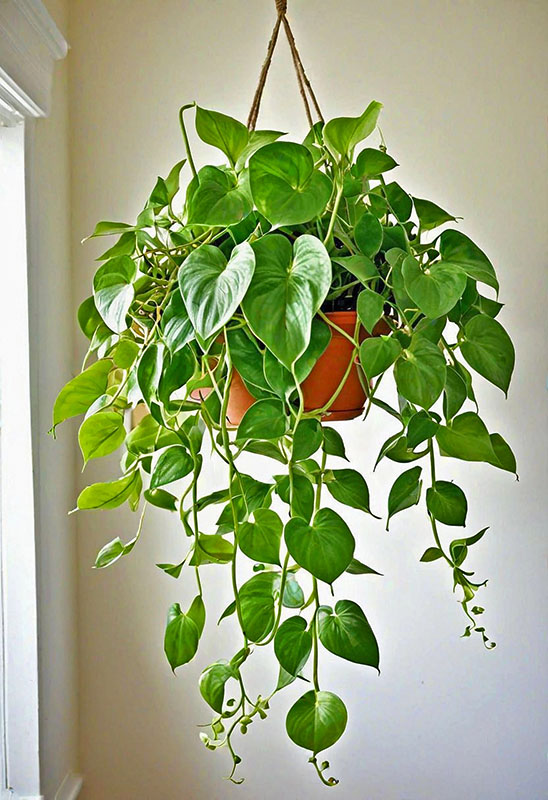 Over-watering is a common cause of death for most house plants, so always check the soil moisture before watering. Do so by sticking your finger ½ inch into the soil to see if it’s dry.
Keep a weekly schedule to water your plants. Thirsty Thursday is the day I normally water my plants. Water thoroughly, allowing excess water to drain away. Avoid letting plants sit in waterlogged soil, which can cause root rot.
Once a month, don’t forget to feed your plant. The easiest way to start is by picking up inexpensive plant sticks. You can use products like Miracle Grow to mix into the water, but be careful and use as directed so as not to burn the plant’s roots.
Provide Proper Lighting
Plants should be placed in locations where they can receive adequate sunlight based on their specific light requirements. Move the plant until you can tell that you have helped your plant find it’s “happy place”.
Monitor for signs of light deficiency, slow growth, or light burn from scorched leaves.
Monitor Humidity Levels
Indoor environments can be dry, so consider using a humidifier. It’s also great for keeping your skin hydrated and looking young—a double Bonus! Grouping plants together can also help create a microclimate with higher humidity levels.
Practice Proper Plant Care Techniques
Prune away dead or yellowing leaves to promote new growth and maintain the plant’s overall health.
I regularly dust leaves to keep them clean and free from debris, which can inhibit photosynthesis. Once a month, I place all my smaller and medium-sized plants in the shower so I can clean and water them at the same time.
Use a fan occasionally to replicate the wind outdoors to help strengthen your plant. Yes, I recommend giving your plant a workout. Creating a little stress on the plant will help it grow hardy. Unlike babies, shaking a plant occasionally is good for it. On nice mild days, place your plants outdoors in a shady area.
Be Patient and Observant
Remember that plants are living beings and may take time to adapt to their new environment. Please pay attention to your plants’ behavior and adjust your care routine based on their needs.
I also talk to my plants, encouraging them and thanking them for cleaning the air, and adding beauty to my life. I know they don’t understand me, but they can pick up on the positive energy I’m giving them.
Keep in mind that no one is born with a green thumb. Most people learn through trial and error. So, find comfort in knowing that as you practice, your confidence will grow, and before you know it, you’ll be a plant whisperer, and your home will look like a beautiful private botanical garden.


